On this page
Shopify Conversion Rate Optimization: A Practical Framework for Finding and Fixing Friction
Find and fix Shopify conversion friction with a clear goal, store evidence, approved actions and outcome measurement. See the Last Mile example.

Start with the purchase that is not happening
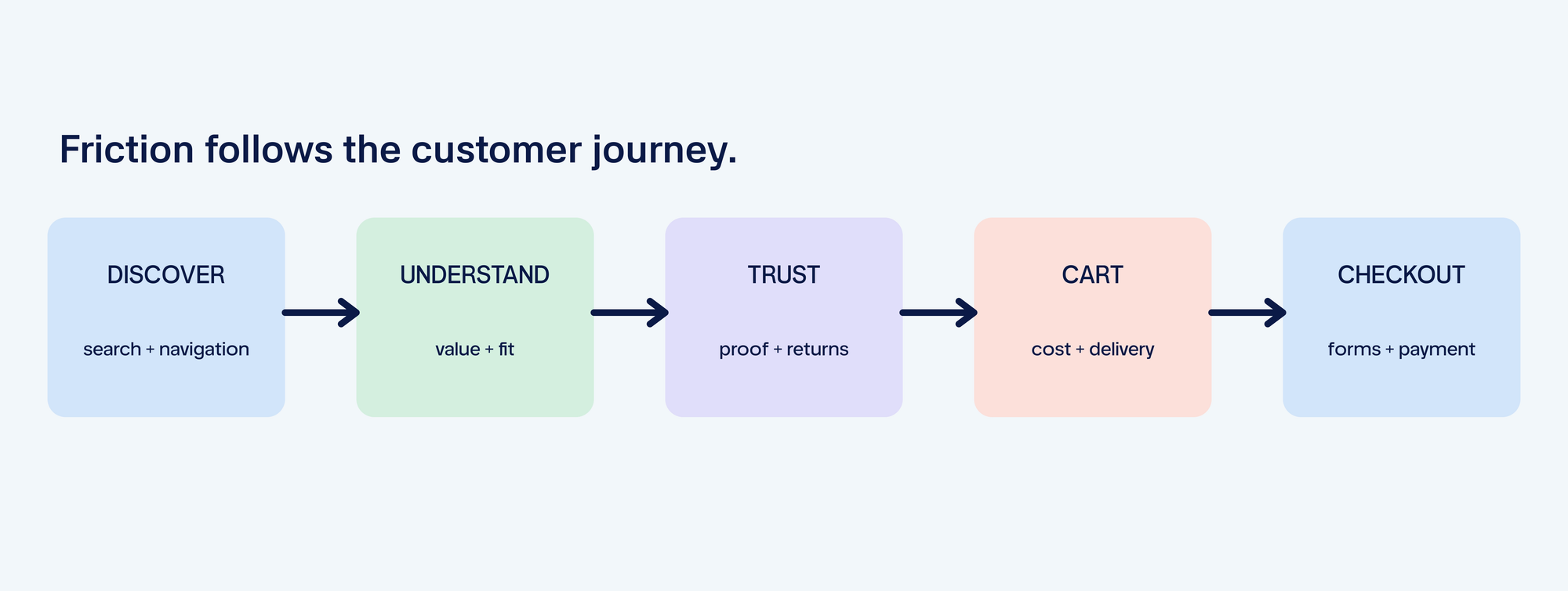
Shopify conversion rate optimization means helping more shopping sessions end in a purchase. The first job is to locate the obstacle: finding a suitable product, understanding its value, trusting the purchase or finishing checkout.
A store with good products and steady traffic can still have several plausible problems. Choose one to investigate against the merchant’s business goal before adding more apps or running unrelated tests.
What Shopify conversion rate optimization actually means
Shopify’s online store conversion rate is sessions that complete checkout divided by total online store sessions, multiplied by 100. Use the same dates and filters for both counts. See Shopify’s reporting definitions.
The metric covers the purchase journey. Repeat purchasing is a related retention question, and a page-level click is a different measure. Keep those definitions separate when assessing a change.
Start with the merchant’s goal
The right CRO strategy depends on what the merchant is trying to achieve. A merchant may want to:
- increase revenue;
- improve conversion rate;
- increase qualified traffic;
- sell more of a particular product category;
- improve average order value;
- reduce cart abandonment;
- increase repeat purchases.
The same store can require a completely different strategy depending on the goal. For example, if the goal is improving conversion, the first question should not be “Which page should we redesign?” It should be:
Where should this store focus to get closer to the goal?
That requires understanding the store and the context that makes one opportunity more important than another.
How to find conversion friction
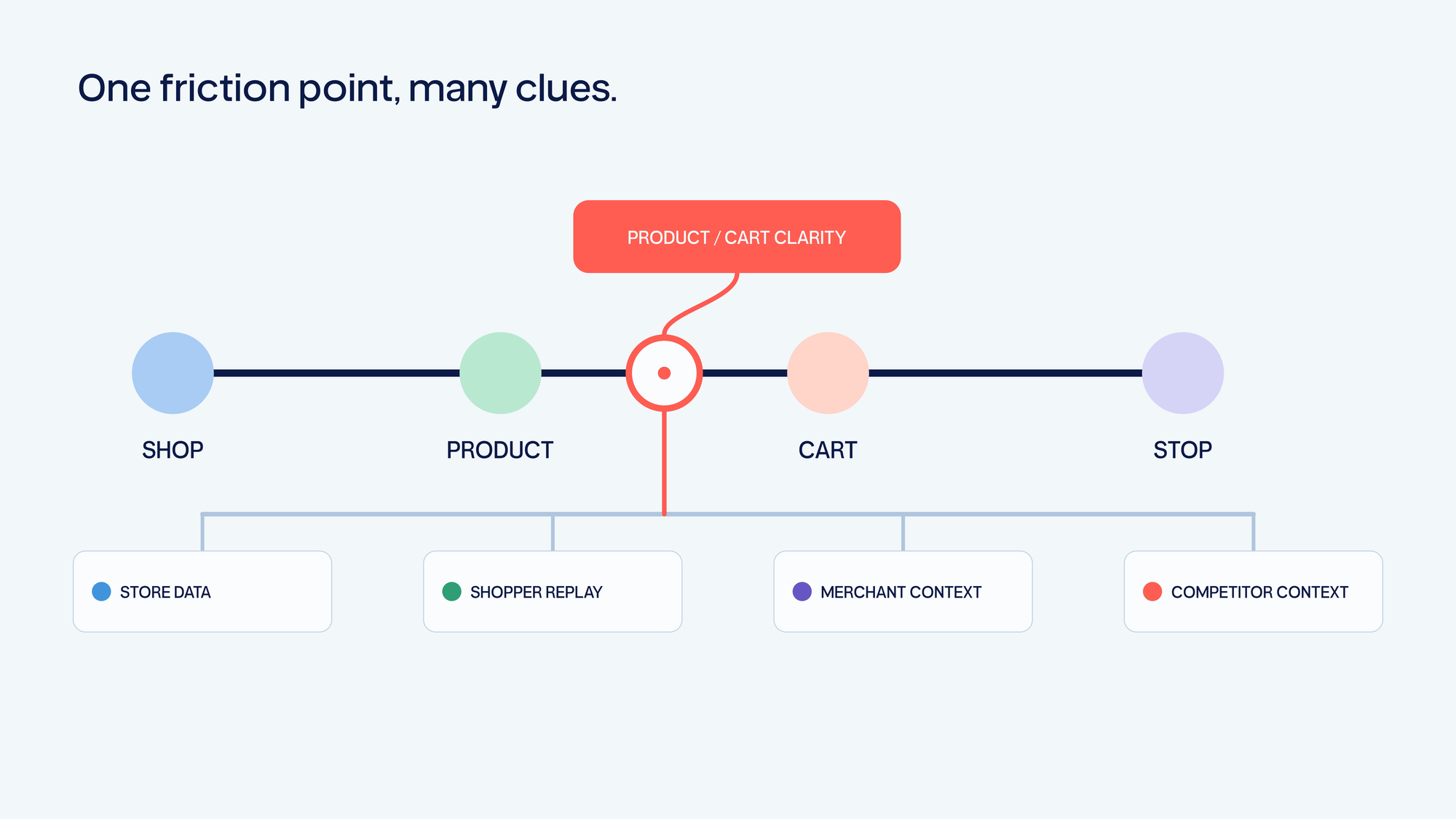
Start with a specific journey and a question. If shoppers view a premium product but rarely add it to the cart, inspect the value explanation, fit, delivery information, and proof before changing the button.
Use store reports to locate the drop-off, then check the experience itself. Gentoo considers the merchant’s goal and context alongside store evidence. An analytics pattern is a reason to investigate, not proof of a cause.
Compare alternatives where they help explain a shopper’s expectations, but do not copy a competitor’s design simply because it looks polished. A simpler catalog and a compatibility-heavy catalog may need different ways to browse.
Write a short hypothesis: “Shoppers cannot confirm which part fits their bike from the collection page. Making those attributes visible may help them find the right product.” Decide how to check that hypothesis before implementing it.
Common types of Shopify conversion friction
Although the priority differs by merchant, some types of friction appear frequently.
Product discovery friction
Customers cannot find the product they need because collection hierarchy, navigation, search, or filtering is difficult to use.
Product understanding friction
Customers reach the product page but do not understand the product’s value, use case, quality, compatibility, or difference from alternatives.
Trust and decision friction
Customers have unanswered questions about reviews, delivery, returns, guarantees, payment, or product performance.
Cart and checkout friction
Customers add a product but do not have enough confidence or motivation to continue, or they encounter unexpected costs and effort during checkout.
Traffic-to-store friction
SEO, advertising, or product feeds may bring visitors who do not match the store’s offer or intent. In that situation, increasing traffic may increase the volume of non-converting sessions rather than solve the underlying problem.
Write the decision before commissioning the change
| Decision | Example |
|---|---|
| Customer task | Find a spare part suitable for a known bike model |
| Observed friction | Collection cards omit verified fit information, so shoppers open several unsuitable items |
| Proposed change | Show that fit information on the affected cards and retain access to full specifications |
| Primary outcome | Completed purchases among sessions browsing the affected collection |
| Checks alongside it | Wrong-item returns, support questions, availability and revenue per relevant session |
| Review context | Release date, traffic sources, promotions and stock changes |
This is a proposed investigation, not a customer result. Check the evidence before choosing it. If the wrong traffic is landing on the page, a card edit may not address the main problem. If compatibility data is unreliable, verify the product facts before changing the display.
Define what would make you keep, revise or remove the change. When a controlled test is feasible, use it; when it is not, keep the comparison and its limits attached to the decision. The store optimization checklist helps locate candidate work, and the audit versus continuous optimization guide helps assign follow-through.
Turn the finding into a decision
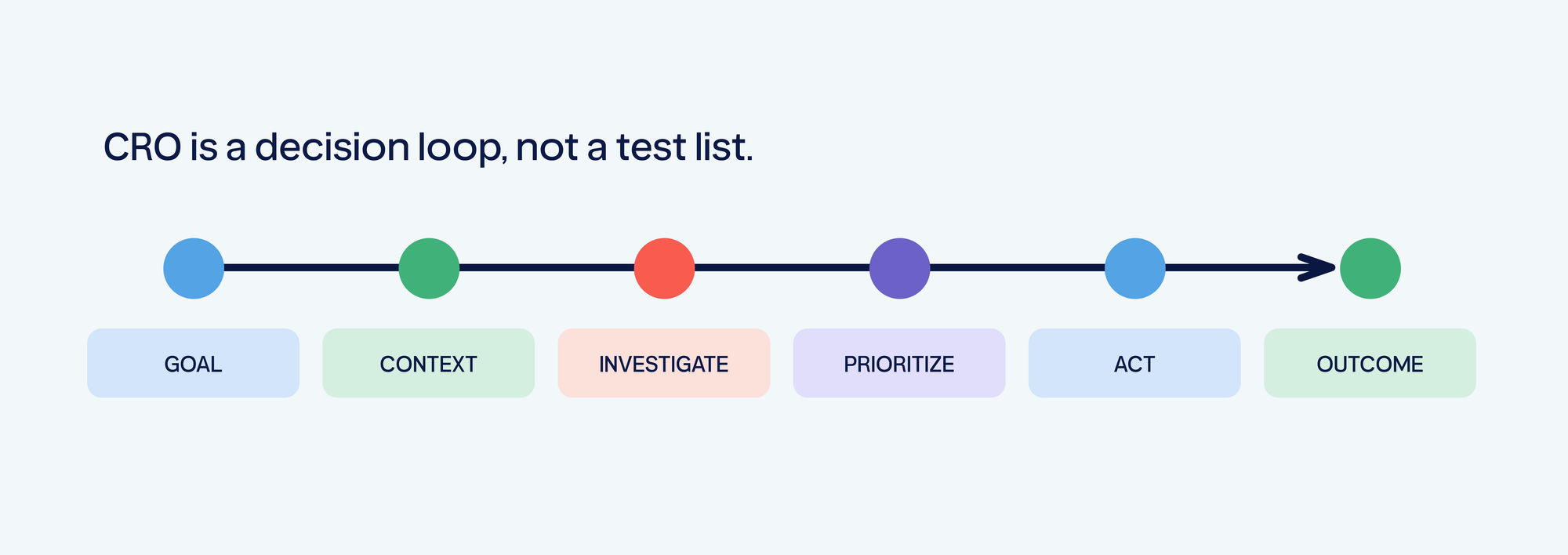
Write down what the shopper could not do and why the proposed change may help. Include the affected pages, the merchant’s limits and a measure of success. “Show bike-model compatibility on the collection card” is specific enough to review; “improve conversion” is still a goal.
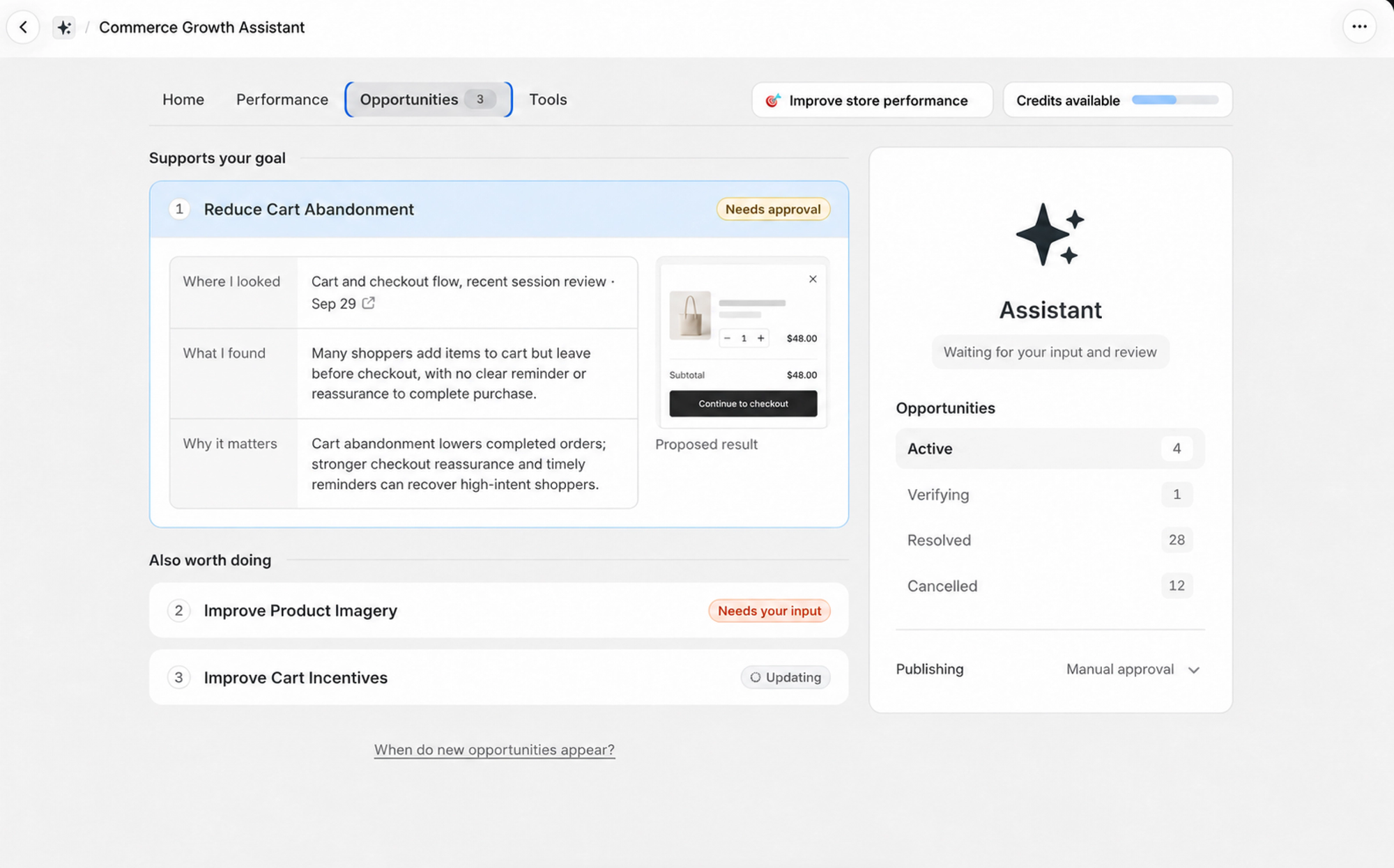
Gentoo prepares that opportunity for the merchant, executes the approved work and checks the business outcome. A/B testing is useful for a well-defined comparison when traffic permits. A broken control or missing policy link can be corrected and verified without treating every fix as an experiment.
Example: improving product discovery for Last Mile
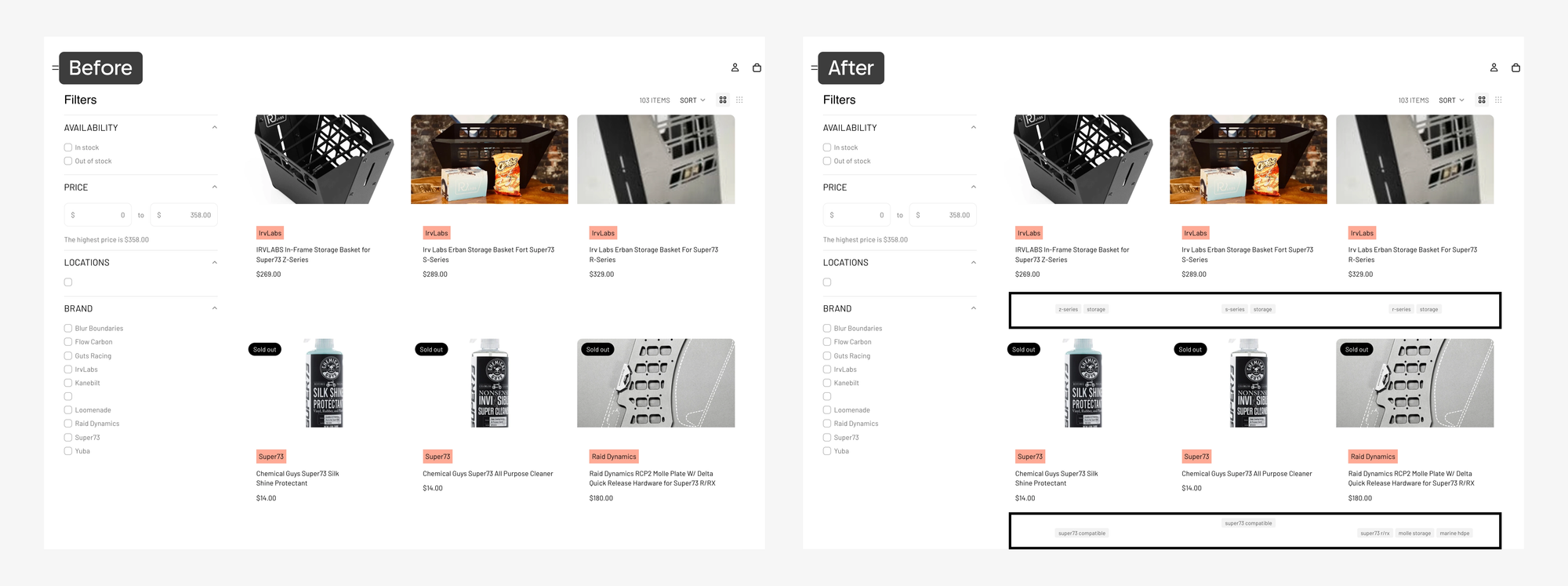
Last Mile had several possible conversion problems. The most valuable opportunity was not found by asking which page looked least polished. Gentoo identified that shoppers were struggling to find spare parts compatible with their bicycles. The conversion opportunity was product navigation.
Gentoo improved filters, collection-page information, and navigation to make relevant parts easier to find. The published study reports Q2 2026 revenue growth of 207%, orders up 116%, and sessions up 48% versus Q1, during a period with 16 actions. It supports the choice of focus; it does not isolate the effect of one change. This example is explained in Gentoo’s Last Mile case study.
Use more than one kind of store evidence
At Palace Beauty Galleria, Gentoo consolidated duplicate and misspelled brand-filter values. At Vom Fass, it added purchase links inside recipe articles. The first addressed inconsistent catalog labels; the second connected useful content with a purchase path. Each gave the store a specific shopping task to improve and follow up on.
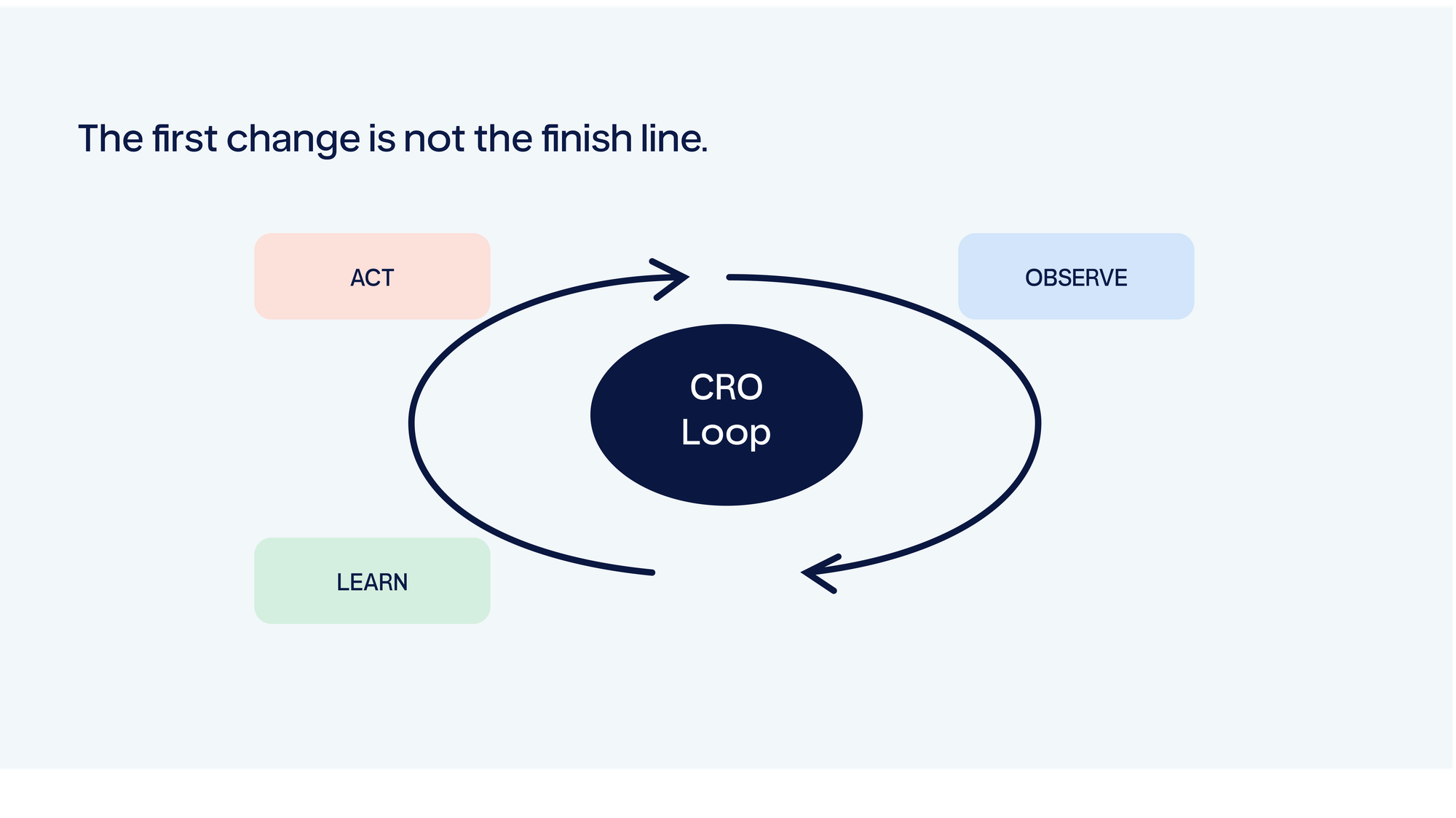
That is why a useful CRO plan identifies the shopper’s task and the evidence for the change. Keep what you learned after release so the next review begins with the result.
Want to find and act on the opportunities that matter to your store? Grow with Gentoo — Free
For a storewide checklist, see 12 Shopify store optimization areas. For a confirmed late-stage drop-off, use the checkout friction guide.
Make the next review easier
Keep the hypothesis, approved change, release date and result together. If the metric does not move, revisit the explanation before adding another variation of the same tactic. If it improves, check whether margin, returns or support problems changed too.